
Data-Driven Fleet Management
Turn Fleet Data into Actionable Operational Intelligence
The Changing Fleet Management Landscape
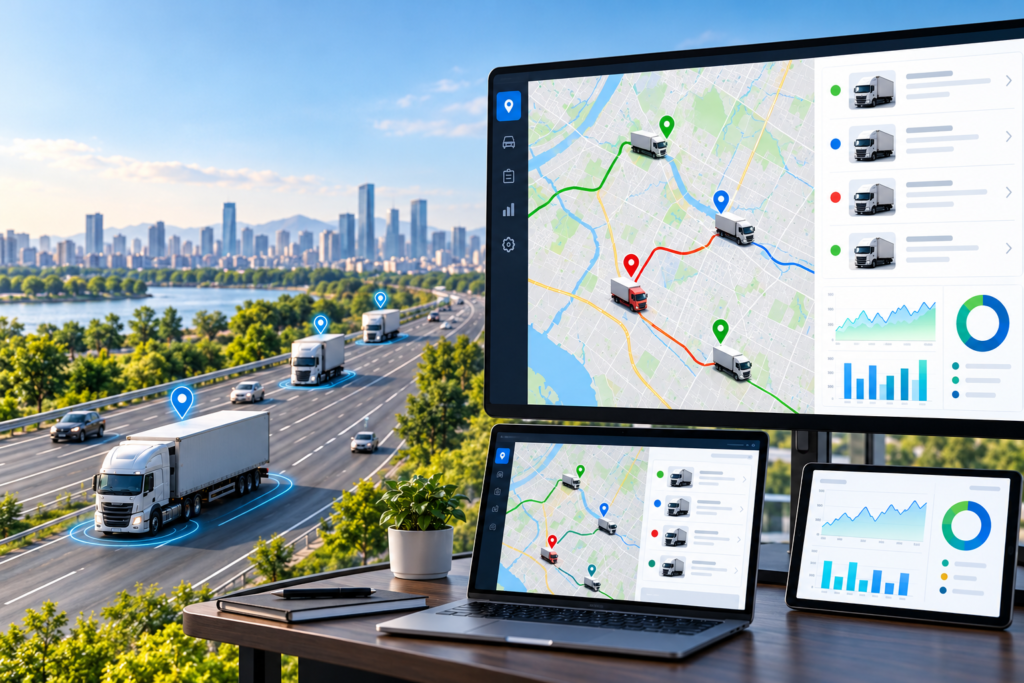
Fleet operations are becoming increasingly information-driven. Traditional approaches may provide basic visibility into vehicle movements, but managers also need context about routes, alerts, vehicle condition and day-to-day administration.
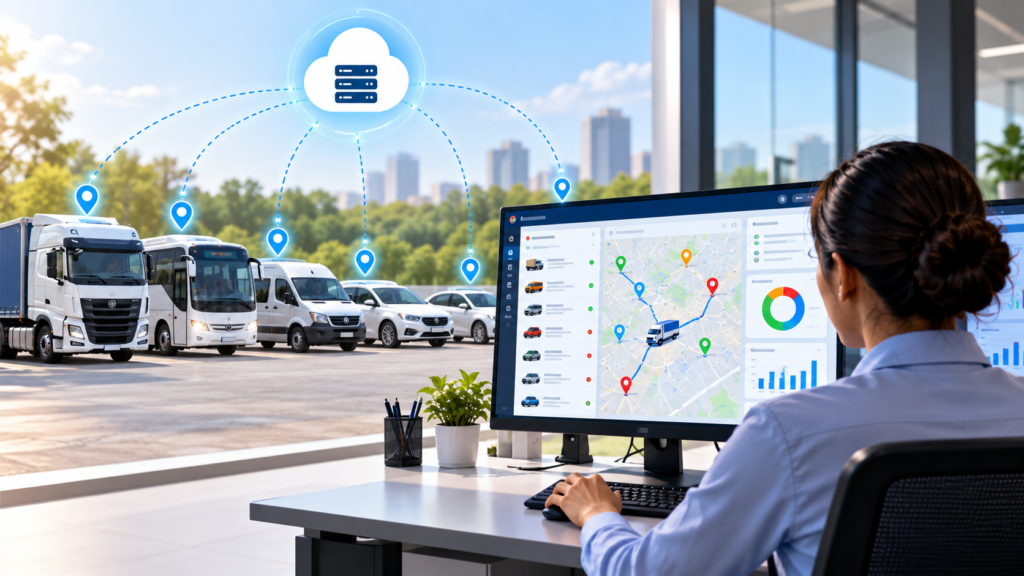
Connected GPS devices, compatible IoT sensors and cloud-based platforms help transform vehicle and operational data into information that teams can review and use. The goal is not simply to collect more data, but to make relevant information easier to access and act upon.
Where Data-Driven Fleet Management Creates Value
Real-Time Fleet Visibility
GPS-based tracking helps teams view the locations of connected vehicles through a centralized interface. Route history and playback can help managers review previous movements, while geo-fencing and speed alerts provide notifications for configured events.
Operational Insight
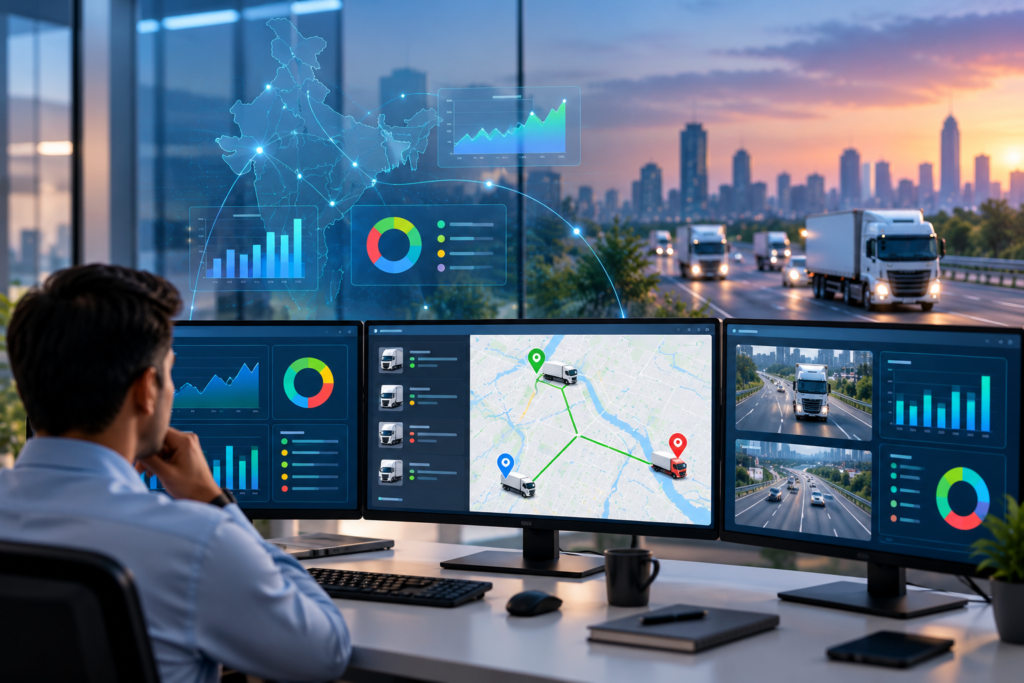
Fleet dashboards and activity summaries can bring key information into one view. Reviewing available data can help teams identify patterns, investigate unusual activity and make more informed decisions about fleet coordination.
Vehicle Condition Monitoring
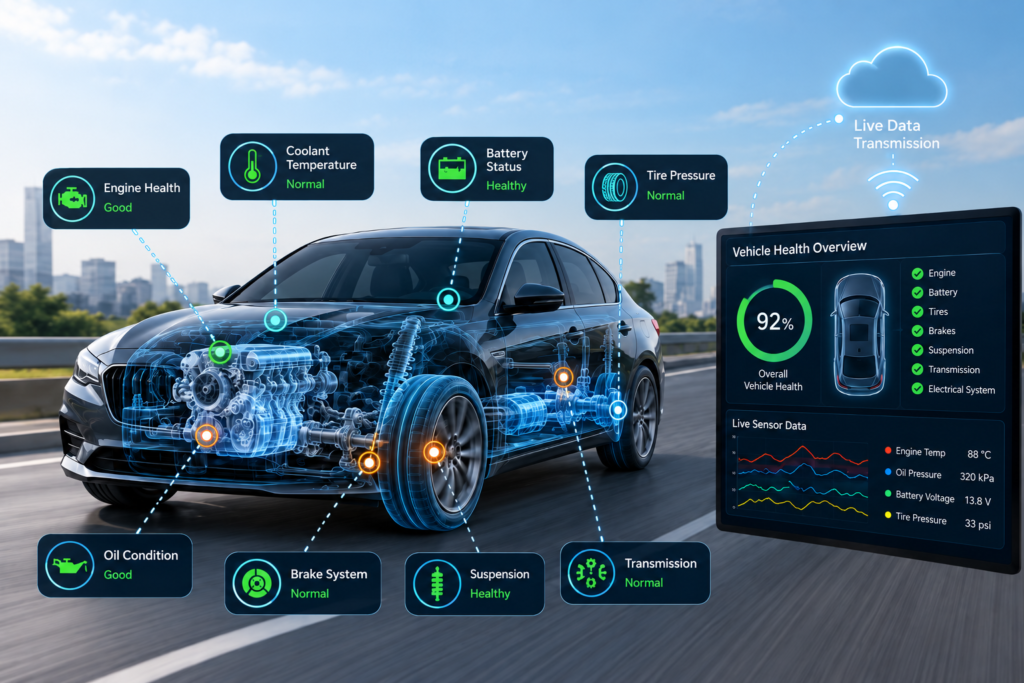
Where compatible hardware and sensors are installed, monitoring may extend to fuel, tyre pressure, temperature, door events and AC-related information. These additional signals can help teams gain broader operational awareness.
Safety and Event Response
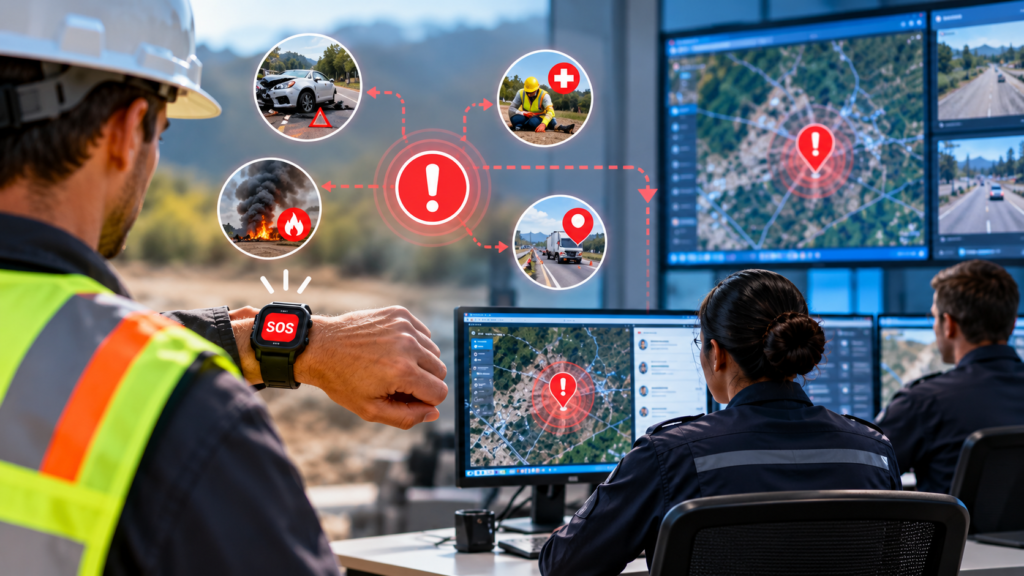
Configured alerts and emergency SOS functionality can help bring relevant events to the attention of the appropriate team. These capabilities support safety oversight and response processes; they do not replace established safety procedures.
Centralized Fleet Administration
A cloud-based management platform can help organize vehicle records, driver and client information, maintenance planning, bookings and related operational activities. Centralization can reduce fragmentation and support more consistent administration.
Business Benefits
A connected, data-informed approach to fleet management can help organizations:- Improve visibility into connected vehicle activity.
- Support route oversight and operational planning.
- Use available information to investigate inefficiencies.
- Organize vehicle, driver and maintenance records.
- Strengthen event awareness through configured alerts.
- Support more informed decisions using dashboards and activity summaries.
Industries and Operations That Can Benefit
Data-driven fleet management can be relevant to organizations operating different types of vehicles and transport workflows, subject to device and installation compatibility.
- Commercial transport and logistics.
- Corporate and employee transportation.
- Passenger vehicle operations.
- Two-wheeler and service vehicle fleets.
- Compatible electric vehicle fleets.
- Organizations managing vehicles across multiple locations.
Technology Behind Connected Fleet Operations
A connected fleet management environment can combine several technology components:
- GPS tracking hardware for vehicle location information.
- Internet of Things (IoT) devices and compatible sensors.
- Cloud-based fleet management software.
- Dashboards and operational analytics.
- Configured notifications and event alerts.
- User and access management for fleet administration.
The exact capabilities available depend on the selected offering, installed devices, configuration and connectivity.
Industry Outlook
As fleets become more connected, access to reliable operational information will remain important for coordinating vehicles, reviewing activity and planning resources. GPS tracking and IoT-enabled monitoring can provide a foundation for more visible and organized fleet operations.
Organizations can gain greater value when they combine connected technology with clear workflows, consistent data review and appropriate operational follow-up.
The FLEEXI Perspective
At Nwaresoft, FLEEXI combines IoT-enabled vehicle hardware with cloud-based fleet management software. The platform brings together vehicle tracking, operational monitoring, fleet administration and available analytics through a centralized interface.
FLEEXI capabilities include GPS-based vehicle tracking, route history and playback, geo-fencing and speed alerts, ignition status monitoring, emergency SOS notifications, vehicle and maintenance management, driver and client management, and dashboards. Optional monitoring—such as fuel, tyre pressure and other sensor-based information -depends on compatible hardware and configuration.
By making relevant fleet information easier to access, FLEEXI supports organizations seeking improved operational visibility and more informed fleet management decisions.